
The Impact of the Russia-Ukraine Conflict on Gold ETFs
The Impact of the Russia-Ukraine Conflict on Gold ETFs
When Russian tanks rolled into Ukraine in February 2022, financial markets erupted in chaos. Within days, investors poured nearly $1 billion into gold exchange-traded commodities, marking one of the most dramatic shifts in investment behavior in recent memory.
This wasn't just another market reaction—it was a fundamental reshaping of how investors view gold ETFs in an increasingly unstable world.
The Immediate Market Shock: Record Gold ETF Inflows
The invasion triggered an unprecedented flight to safety. Gold and precious metal ETFs saw inflows of $4.7 billion in early 2022, reversing $7.8 billion in outflows from the previous year. The turnaround was swift and decisive.
By the end of March 2022, quarterly inflows reached 269 tonnes valued at $17 billion—the highest quarterly inflows since Q3 2020. Gold prices surged accordingly, with gold breaking through $1,900 per ounce and hitting a 20-month high.
Top performing gold ETFs in the initial response:
- iShares Physical Gold ETC (SGLN): $270 million in inflows during the first week of March 2022
- Invesco Physical Gold ETC (SDLD): $217 million in new investments
- SPDR Gold Shares: Led all ETFs with $3.2 billion in total inflows
- Royal Mint Physical Gold Securities ETC (RMAU): $151 million inflow—impressive for a $449 million fund
Why Gold ETFs Became the Go-To Safe Haven
The Russia-Ukraine conflict created a perfect storm for gold investment. Here's what drove investors to gold ETFs:
Geopolitical Uncertainty
Investors bought gold as both a store of value and transaction unit, fearing inflation, war, and currency debasement. The conflict raised fears about global stability that extended far beyond Eastern Europe.
Inflation Protection
Russia and Ukraine combined made up almost 30% of global wheat exports, and Russia was the second-largest gold supplier in 2021. This supply disruption pushed commodity prices higher, with inflation estimates rising by about 2.5 percentage points globally.
Historically, gold has performed well during high inflation—averaging 14% returns when inflation exceeds 3%, and nearly 25% when inflation averages over 5%.
Currency Debasement Fears
Debasement of the Russian ruble and sanctions on Russian assets triggered demand for gold as a transaction unit, similar to patterns seen during the Turkish lira crisis.
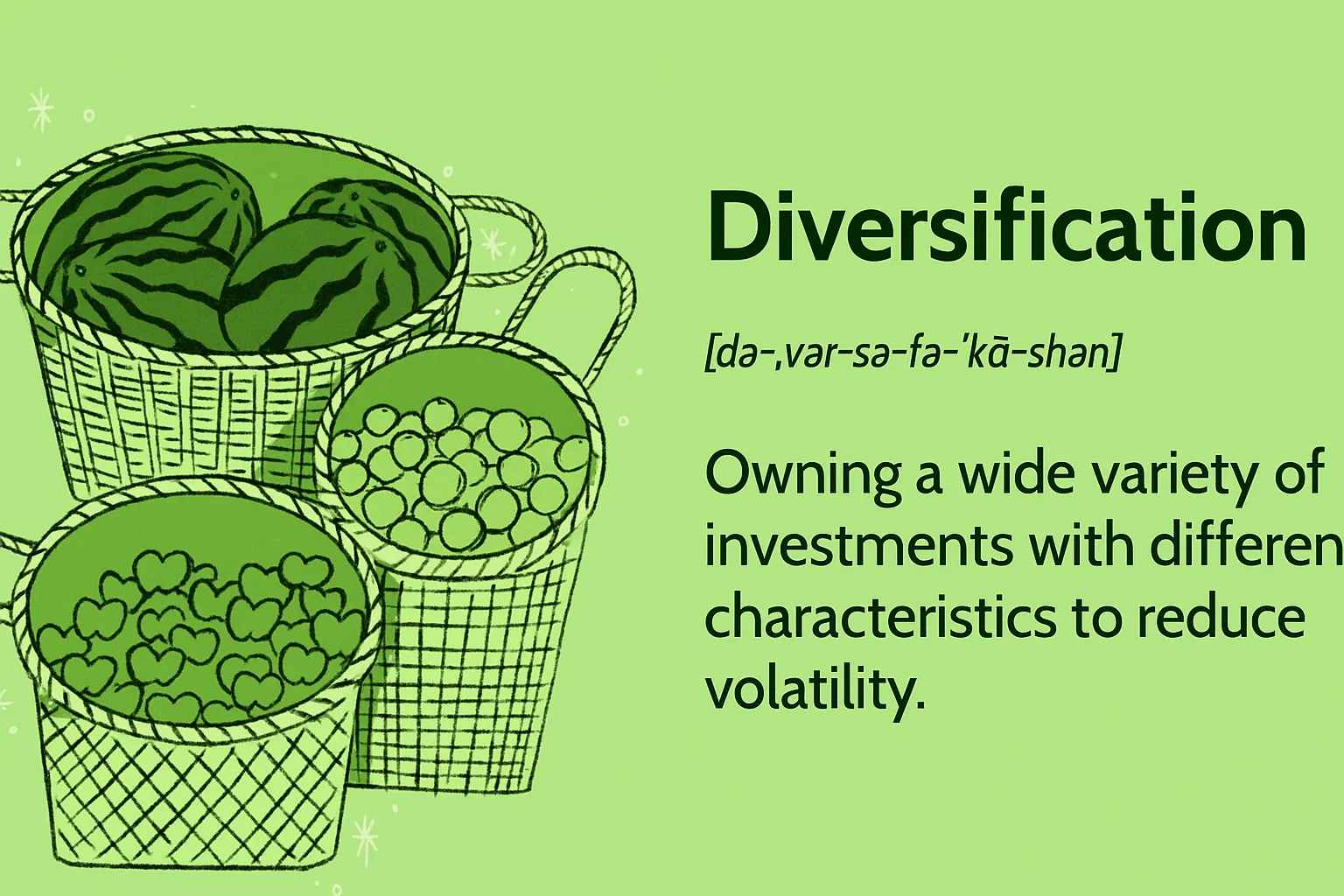
Portfolio Diversification
Research showed that gold offered better portfolio diversification benefits against both oil and stocks, with lower co-movement during the Russia-Ukraine war period.
Regional Investment Patterns: A Geographic Split
The conflict created distinct regional patterns in gold ETF flows:
North America and Europe Led the Charge
Most March 2022 inflows came from North American and European gold ETFs, with positive flows across all regions. European investors particularly responded to the geographic proximity of the conflict.
European investors continued piling into gold ETCs in preparation for further economic headwinds, with holdings in gold ETCs hitting a one-year high by March 2022.
Asia's Different Trajectory
Despite double-digit growth in 2021, Asian gold ETFs experienced outflows of over $880 million (10.5%) in 2022, compared to inflows of close to $1.5 billion (20.4%) the previous year.
However, this pattern eventually reversed. After expanding in 38 of 52 weeks, gold ETFs listed in Asia began shrinking by 5.3 tonnes in a two-week period—the heaviest outflow since Russia's invasion began, while Western markets picked up momentum.
The Evolving Investment Landscape: 2023-2025
The initial panic buying gave way to more complex patterns:
Price Performance vs. ETF Holdings
While gold prices rose 51.4% from February 24, 2022 through early 2025, the world's two largest gold-backed ETFs actually shrank 16.1% in combined size. This disconnect reveals important shifts in investor behavior.
Recent 2025 Surge
In early 2025, the SPDR Gold Trust (GLD) expanded by 4.6%—the largest monthly growth since Russia began its invasion—while the iShares product (IAU) also saw net expansion. This suggests renewed interest as the conflict persists.
Shifting Geographic Dominance
Gold ETF investing flipped from Asian to Western investment markets as the precious metal set new record high prices. North American and European funds expanded together in 7 of 8 weeks in mid-2024, marking the strongest stretch in 27 months.
Key Drivers Behind Gold ETF Performance
Several interconnected factors continue shaping gold ETF dynamics:
The Geopolitical Risk Premium
The geopolitical risk premium appeared as a larger-than-normal "unexplained" element in pricing models, making a strong positive contribution to gold's performance in tandem with the prolonged Russia-Ukraine war.
Interest Rates and Real Yields
Since early 2022, gold showed a strong move higher despite corresponding rises in 10-year US Treasury yields, breaking from traditional patterns. US two-year real yields dropped to new lows of -2.9% after Russia's invasion, with further declines supporting gold prices.
Central Bank Buying
Global central bank gold reserves expanded as part of de-dollarization efforts, creating price-insensitive demand unlikely to fade. This structural shift provides ongoing support for gold prices and, by extension, gold ETFs.
Supply Disruptions
On March 7, 2022, the London Bullion Market Association suspended all six Russian gold refineries from its Good Delivery List, meaning their newly minted bars could no longer trade in the London market. This supply constraint added upward pressure on prices.
Investment Implications: What This Means for Your Portfolio
Portfolio Allocation Strategies
Gold ETFs proved their value during the crisis. The war emphasized the importance of diversification, with investors incorporating gold into portfolios to balance risks associated with markets and bonds.
Key benefits for investors:
- Price appreciation: Geopolitical tension pushed gold prices higher, creating opportunities for traders
- Portfolio stability: Gold acts as a stabilization asset during market drops
- Increased liquidity: High demand during crises ensures strong market liquidity
Risk Considerations
Not everything about gold ETF investing during the conflict was positive:
- Price volatility: Gold price fluctuations can lead to losses for short-term traders
- Regulatory challenges: Sanctions and trade restrictions may disrupt access to international gold markets
- ETF-specific risks: During market panic, investors may liquidate speculative gold positions like ETFs, with position liquidation potentially exceeding physical buying by other investors
Looking Forward
The Russia-Ukraine conflict continues to be a major driver of geopolitical instability and gold price volatility, with investor behavior typically shifting toward buying precious metals during periods of geopolitical tension.
Should the conflict escalate further, it may drive gold prices even higher due to heightened uncertainty, while a resolution may initially reduce gold prices as investors seek higher-risk assets.
The Bottom Line
The Russia-Ukraine conflict fundamentally altered the gold ETF investment landscape. The initial shock drove record inflows of $17 billion in Q1 2022, demonstrating gold's enduring role as a crisis hedge. While investment patterns have evolved—with geographic shifts from Asia to the West and periods of profit-taking—gold ETFs continue serving as critical portfolio diversification tools.
For investors navigating ongoing geopolitical uncertainty, gold ETFs offer accessible exposure to an asset that has proven its worth during one of the most significant conflicts in recent history.
The key is understanding that gold ETF performance reflects not just current tensions, but broader factors including inflation expectations, real interest rates, central bank policy, and the global quest for portfolio stability in turbulent times.
Protect Your Portfolio with Physical Gold
The Russia-Ukraine conflict proved that geopolitical instability can strike without warning. When it does, investors who positioned themselves in gold beforehand benefit most.
While gold ETFs offer one path to exposure, many investors prefer the security and control of physical gold ownership. Unlike paper assets that depend on financial institutions and market liquidity, physical gold is a tangible asset you control directly.
Ready to add gold to your portfolio?
Discover how easy it is to invest in physical precious metals with a trusted partner. Whether you're looking to protect your retirement savings through a Gold IRA or add physical bullion to your investment mix, take the first step toward securing your financial future.
Start Your Gold Investment Journey Here →
Don't wait for the next crisis to wish you'd acted. Position your portfolio for whatever geopolitical challenges lie ahead.